Waves of Global Change:
A Holistic World History
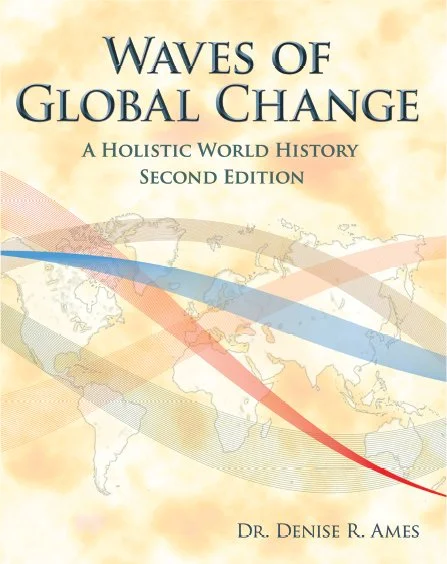
From the Big Bang to the present, this ‘big picture’ approach frames the overarching development of humanity through five pivotal turning points, or waves: Communal, Agricultural, Urban, Modern, and Global.
Illustrated, index, glossary, source notes, bibliography, and graphic organizers.
Each chapter includes “Questions to Consider” and “Insights,” spurring critical thinking and “seeing” the information differently.
This book is for educators, students grades 9-university, and adult learners.
FREE educator resources that include puzzles, questions, and power point presentations. email for copy
426 pgs., non-profit priced at $22.95
Also by Dr. Ames, an accompanying 158-page Educator's Handbook for Teaching a Holistic World History provides suggestions and strategies for use in the grade 9-university classroom.
More About Waves of Global Change
From the Big Bang to the present, this holistic “big picture” to world history frames the overarching development of humanity through five major turning points, or waves: Communal, Agricultural, Urban, Modern, and Global. Each wave is holistic in nature, shaped by distinctive cultural patterns—called currents—that reinforce one another. Across all waves, the same five currents of human activity recur: ecosystem, techno-economic, social, political, and cultural.
Praise for Waves of Global Change
by educator and author Joan Brodsky Shur …
She writes: So fantastically well-conceived and organized, beautifully written and "easy" for the student while in no way whatsoever talking down ... I feel your voice which is talking to me, which makes it lively and helps me to connect (as it would a student). It's conceptually so very rich…I love that you give multiple interpretations...the section on patriarchy is just so straight on and powerful. Throughout it's just so very well written.
A Holistic World History: Chapter Summaries
-

Chapter 1: A Holistic World History Approach: An Introduction
This chapter introduces the holistic approach that shapes this world history. It explains how human development across time and space provides the foundation for a periodization framework organized around five critical turning points, or waves. These waves represent major transformations in human experience and are examined through holistic lens. The chapter also explores five worldviews—indigenous, modern, fundamentalist, globalized, and transformative—that continue to inform and shape contemporary ways of thinking.
-
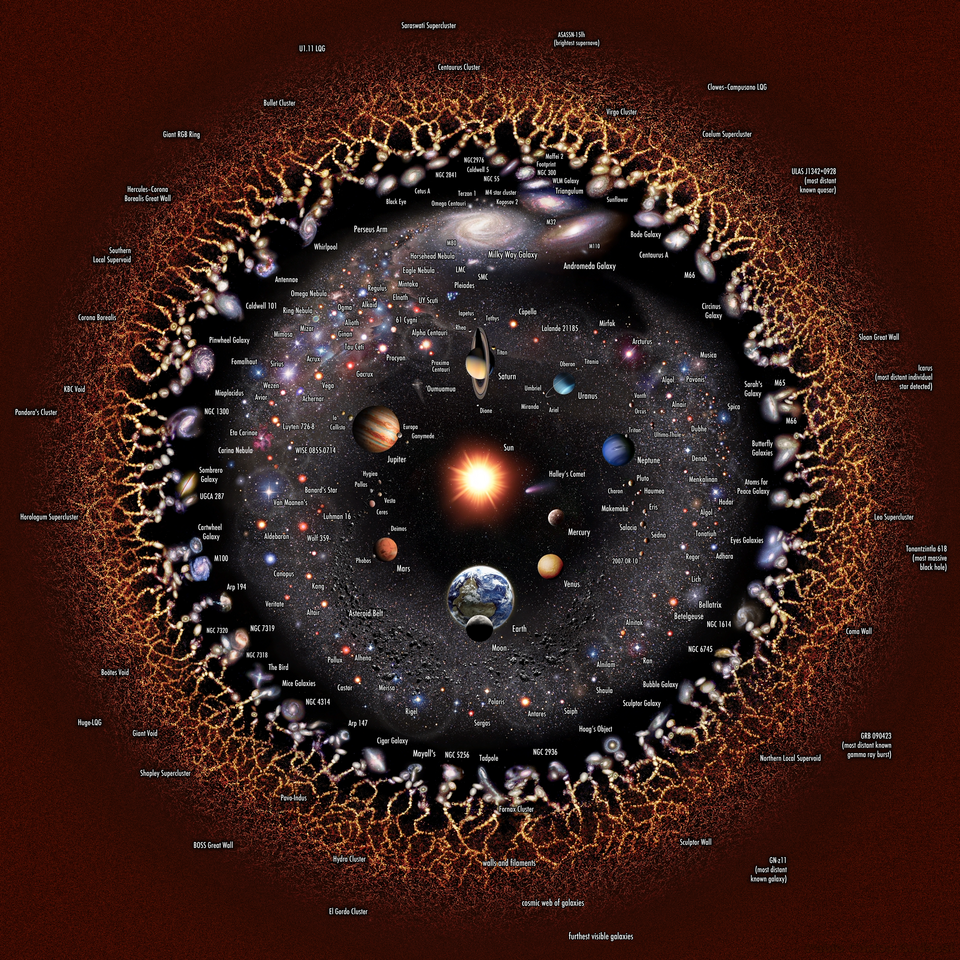
Chapter 2. The Universe to Human Emergence: A Story of Becoming
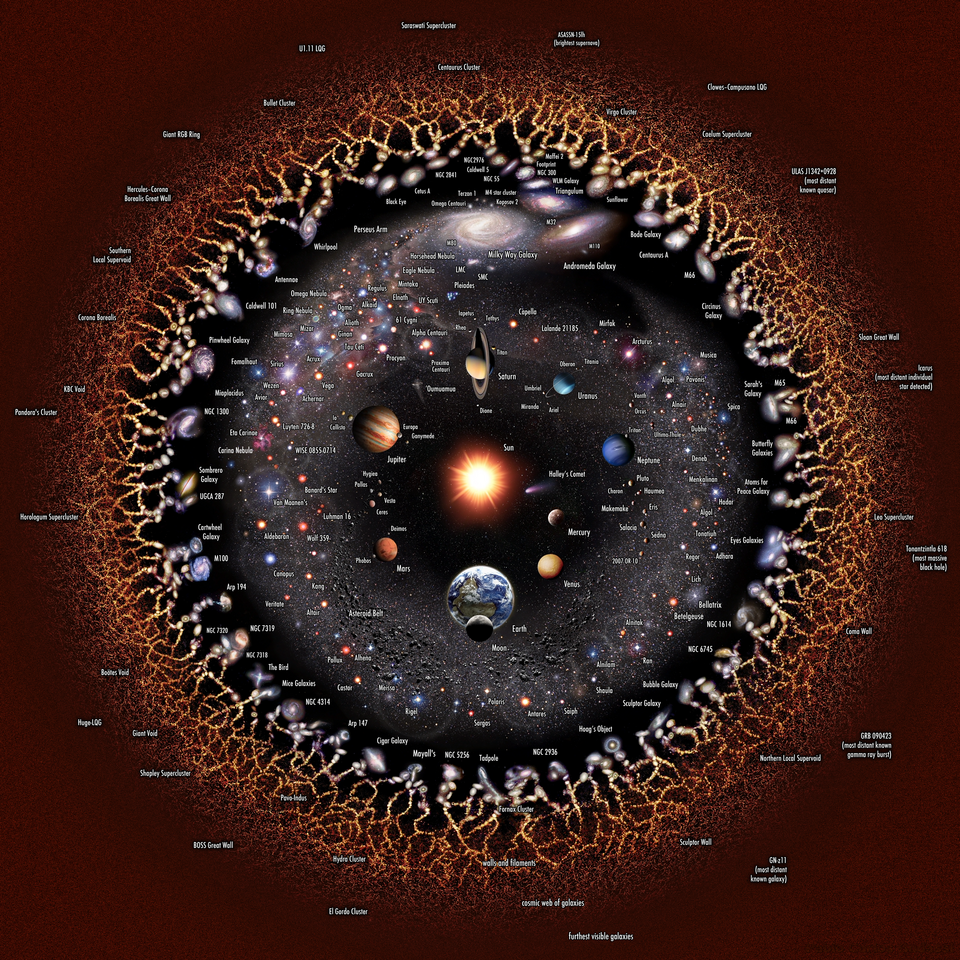
This chapter situates the “big picture” of human history within the broader physical and biological story, spanning from the Big Bang to the evolution of our species. Interwoven throughout the narrative are five guiding themes—interdependence, paradox, creative and destructive forces, change and continuity, and commonality and diversity. Together, these themes illuminate the formation of the universe, the emergence of life on Earth, and the continuing unfolding of the human story.
-
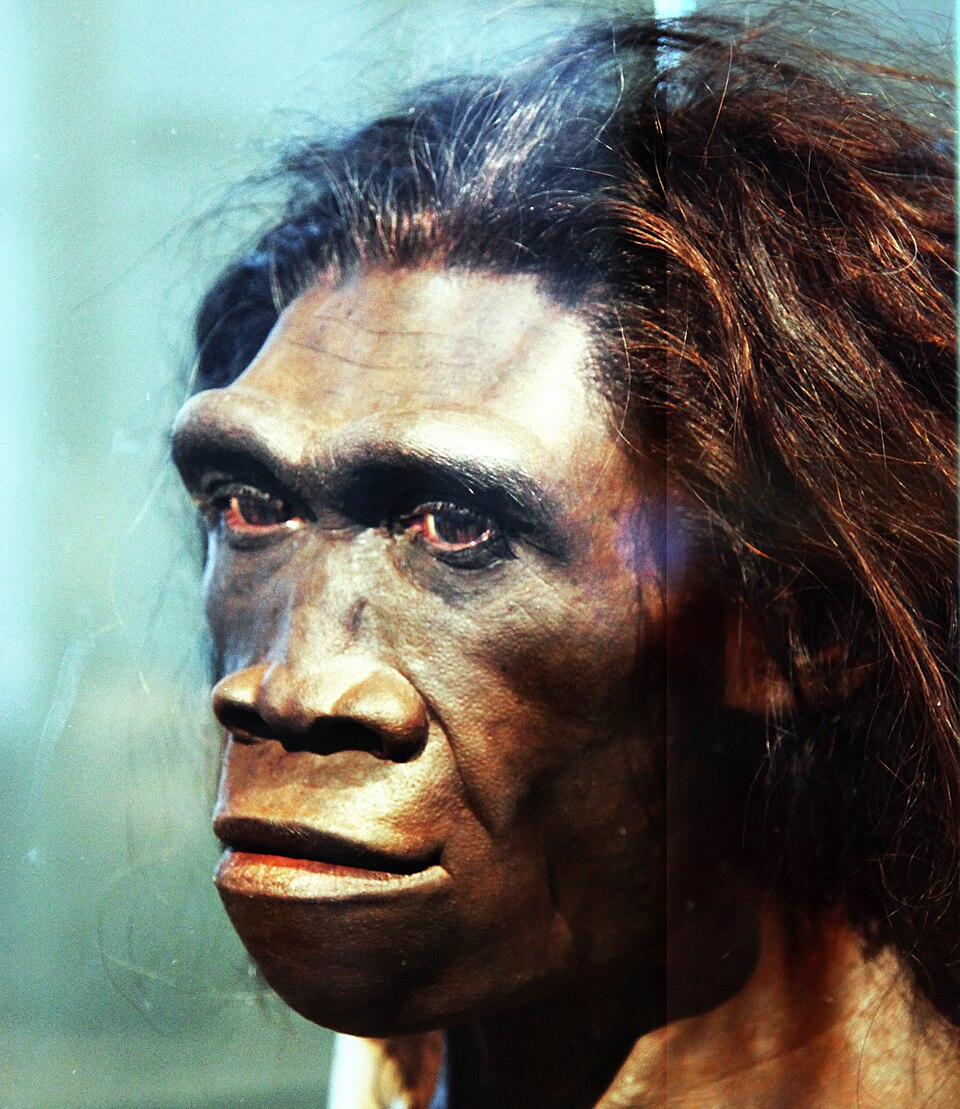
Chapter 3. Our Collective Human Story: Human Commonalities
This chapter examines universal patterns of human behavior through five comparative currents that connect the past, present, and future. Drawing on an interdisciplinary perspective within a historical framework, these currents show human activity across time. The five currents—Relationship to Nature: Ecosystem Currents, Ways of Living: Techno-Economic Currents, Human Networks: Social Currents, Establishing Order: Political Currents, and Human Expression: Cultural Currents—vary in form and content, yet recur within each wave of human development.
-
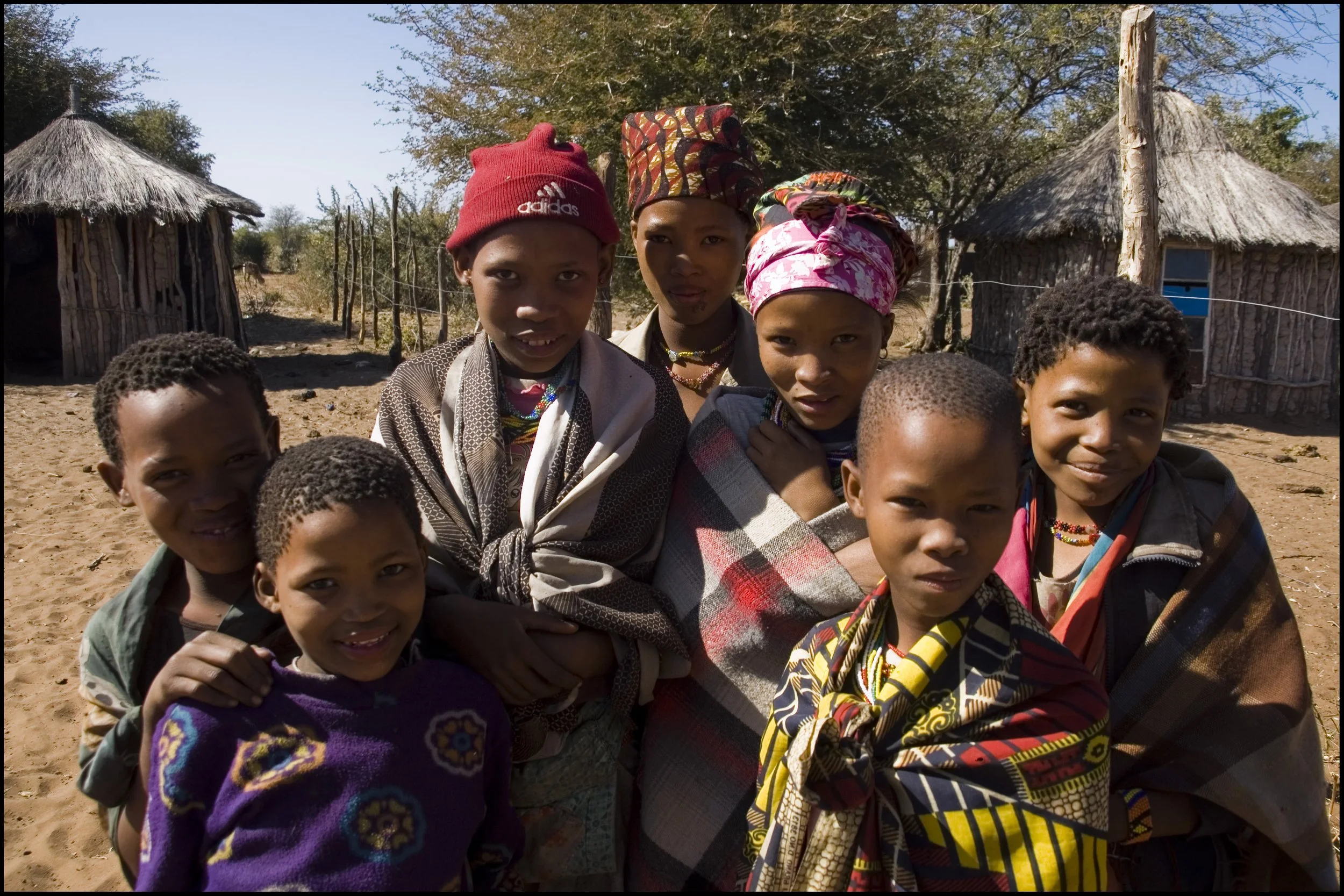
Chapter 4. People as Nomadic Foragers: The Communal Wave
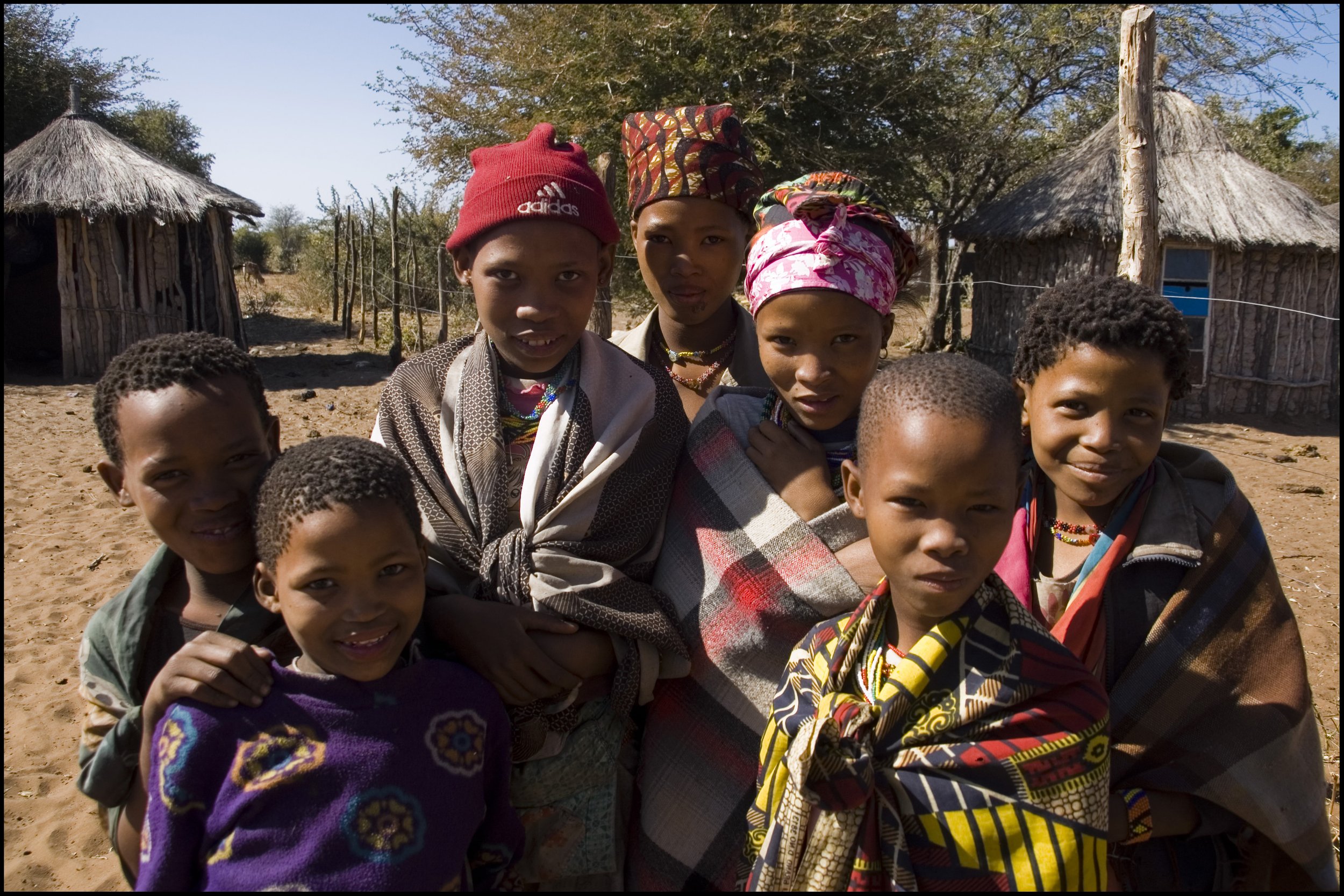
In the Communal Wave, people live by gathering, hunting, or foraging for food while bound together in small, nomadic bands through strong kinship ties. This wave begins with the emergence of modern humans around 40,000 years ago and this way of human development continues today, albeit in altered forms, among a few groups still practicing foraging lifestyles. The chapter also includes a case study of the !Kung people of southwest Africa, illustrating this enduring way of life.
-
Chapter 5. People as Village Farmers: The Agricultural Wave
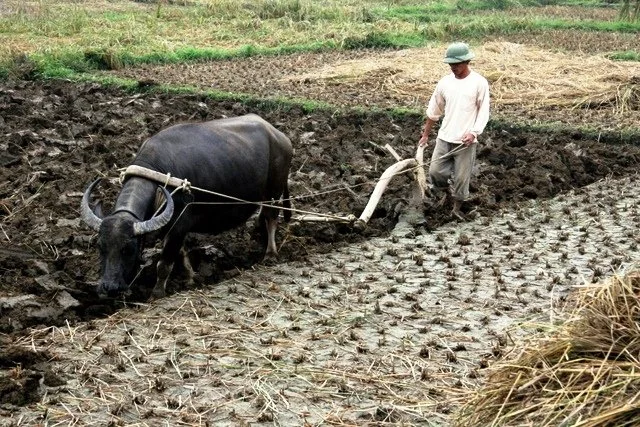
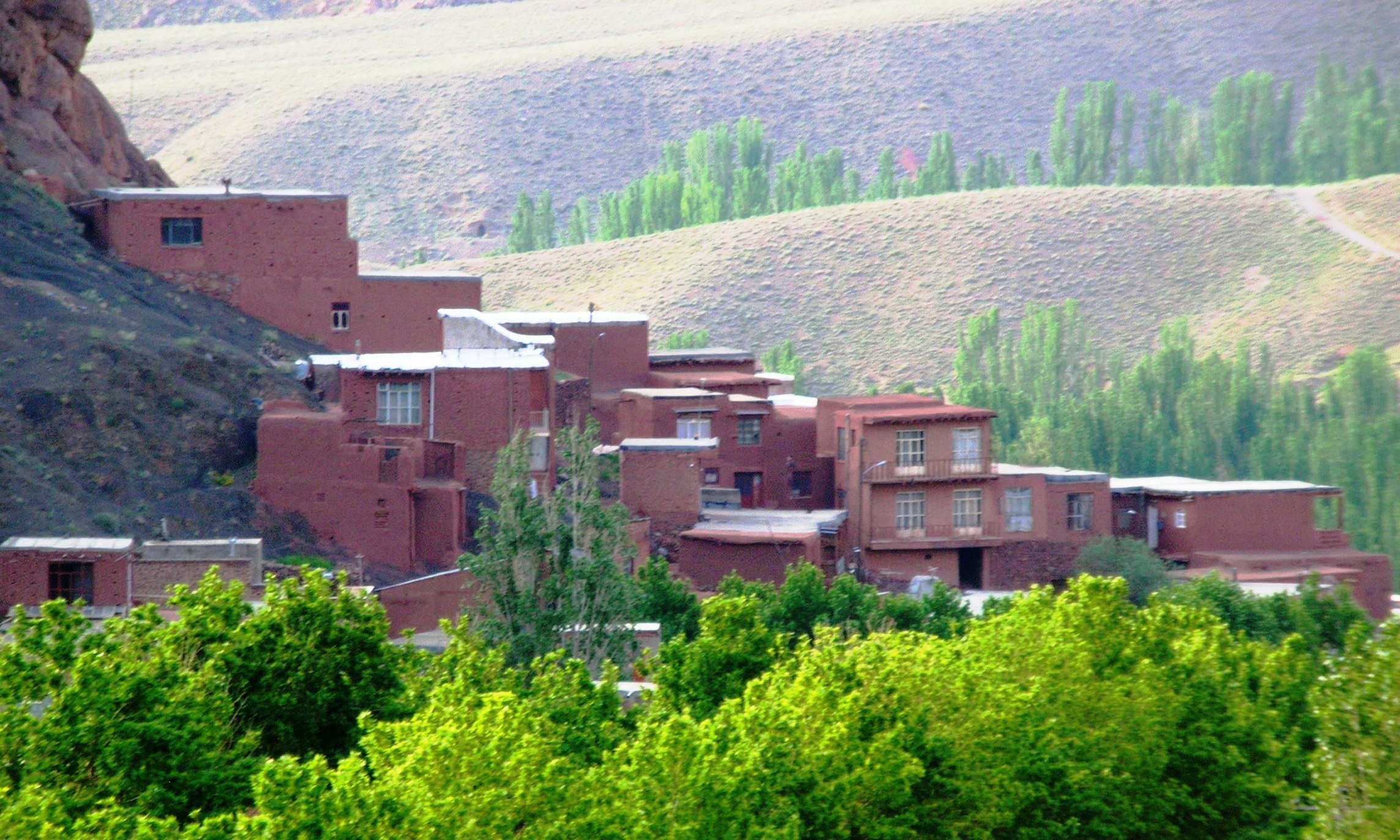
With the Agricultural Wave, people began producing food through agriculture and adopting a sedentary, village-based way of life. This transition first emerged in some—though not all—regions of the world around 12,000 years ago. Societies that adopted agriculture later underwent similar transformations as they shifted to farming. Even today, some communities continue to live in small villages and retain characteristics associated with early agricultural societies. The chapter also includes a discussion of chiefdoms and a case study of Cahokia.
-

Chapter 6. People Create Civilizations: The Urban Wave
During the Urban Wave, which began in Mesopotamia around 3500 BCE, societies developed into increasingly populous and complex urban centers. This wave marks the emergence of what is commonly called civilization, along with its defining characteristics. Many people today continue to practice traditions rooted in the Urban Wave, especially its religious traditions. The chapter also includes a discussion of nomadic and pastoral peoples. The Urban Wave is further examined through three major historical periods: ancient, classical, and post-classical civilizations.
-
Chapter 7. People Multiply and Dominate the Globe: The Modern Wave
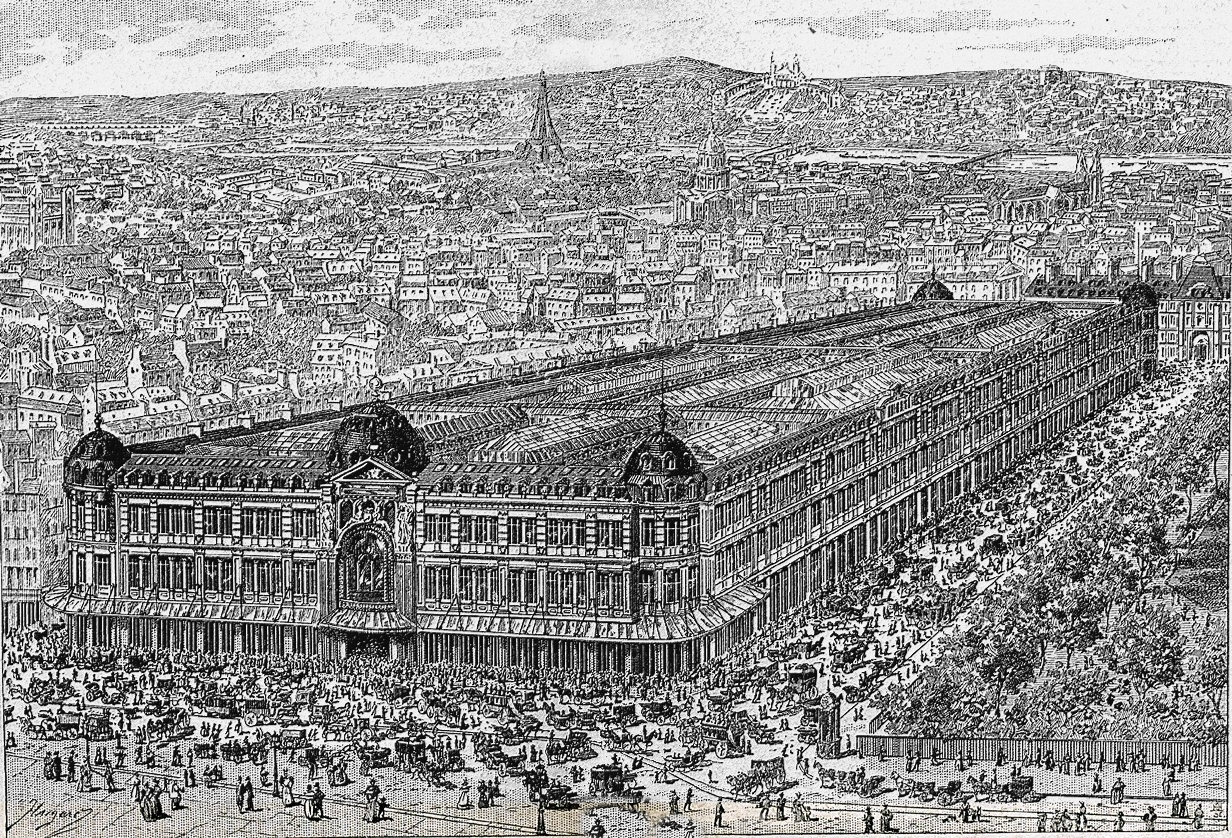
The Modern Wave emerges around 1500 CE, when several Western European societies rose to global prominence, beginning with the conquest of the Western Hemisphere and followed by expanding interaction with—and domination over—societies across the world. After 1500, modern characteristics shaped largely by Western European influences began to spread globally. The Modern Wave is organized into three major periods: the early modern era, the industrial era, and the twentieth century.
-
Chapter 8. People Creating a Future: The Global Wave
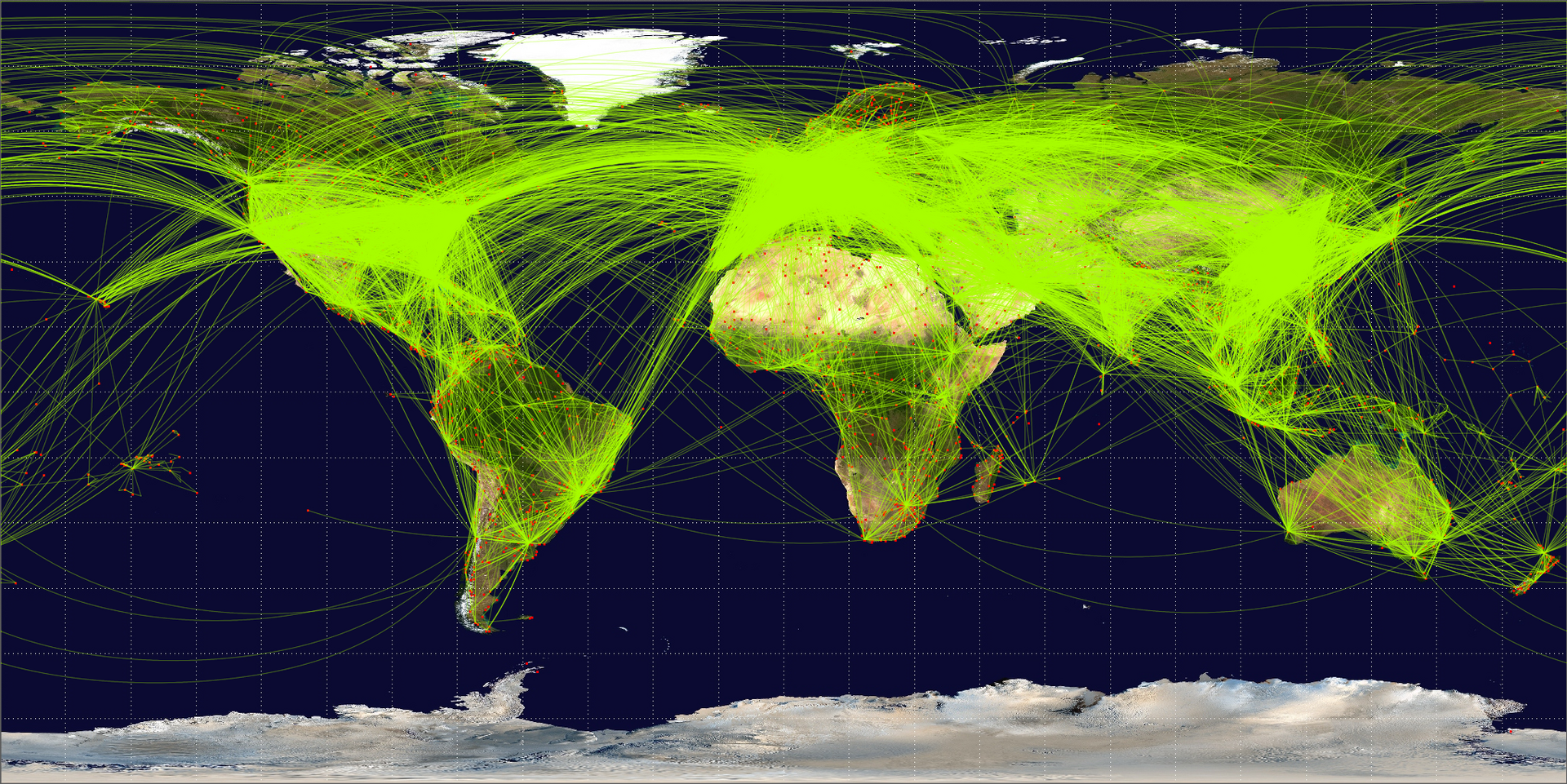
The Global Wave, beginning around the turn of the millennium, is currently unfolding across the world. In this wave, humans are creating deeply interconnected networks of communication, transportation, finance, commerce, and trade, supported by increasingly sophisticated technological innovations. This section also further explores the five major worldviews—Indigenous, Modern, Fundamentalist, Globalized, and Transformative—and their continuing influence on contemporary thought and society.
Unique Features:
Waves of Global Change: A Holistic World History
by Dr. Denise R. Ames
-
![]()
Applies a holistic and systems approach
-
![]()
Uses a “Big Picture” periodization plan
-
![]()
Explains change and continuity
-
![]()
Infuses a global and local perspective
-
![]()
Highlights creative and destructive forces
-
![]()
Injects a female perspective
-
![]()
Includes non-state peoples
-
![]()
Features Insights from the Past
-
![]()
Includes extensive free teacher resources
-
![]()
Links humans to nature
-
![]()
Sees human common-ality and diversity
-
![]()
Scans history from Big Bang to present