

Five Worldviews:
Different Ways We See the World
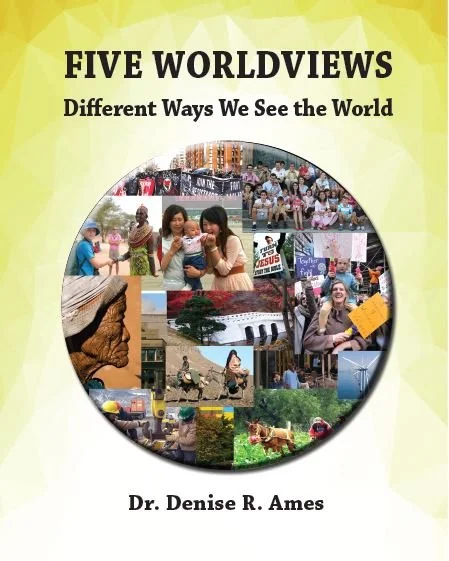
Do you feel that the country is irretrievably divided? Do you feel overwhelmed by the many competing interpretations of the same events or information? Five Worldviews helps explain why we see the world so differently. If you are interested in learning about the five worldviews—indigenous, traditional, progressive, globalized, and transformative—and in exploring ways to bridge them, this book is for you. We all have a voice and a critical stake in the outcome.
138 pgs., $11.95
Illustrated, index, glossary, source notes, bibliography, pictures, graphs, and charts.
Email us for FREE Educator Resources
Author Dr. Denise R. Ames … is dedicated to sharing her research and insights through workshops, classes, and presentations. She notes that many individuals now inhabit cultural ‘bubbles,’ firmly believing in the moral superiority of their own perspective while dismissing others as morally flawed. She argues that self-reflection and an awareness of personal biases are indispensable precursors to any outward reconciliation.
Five Worldviews: Different Ways We See the World, 2nd ed.
Chapter Summaries
-
1. Worldviews: Windows to the World
Examining the world today through what Dr. Ames calls the Global Wave, she identifies five distinct and often contentious worldviews: indigenous, traditional, progressive, globalized, and transformative. This introductory chapter defines and describes each worldview while exploring why they are so deeply entrenched. In an increasingly interconnected world, understanding people with differing worldviews is essential.
-
2. The Modern Wave
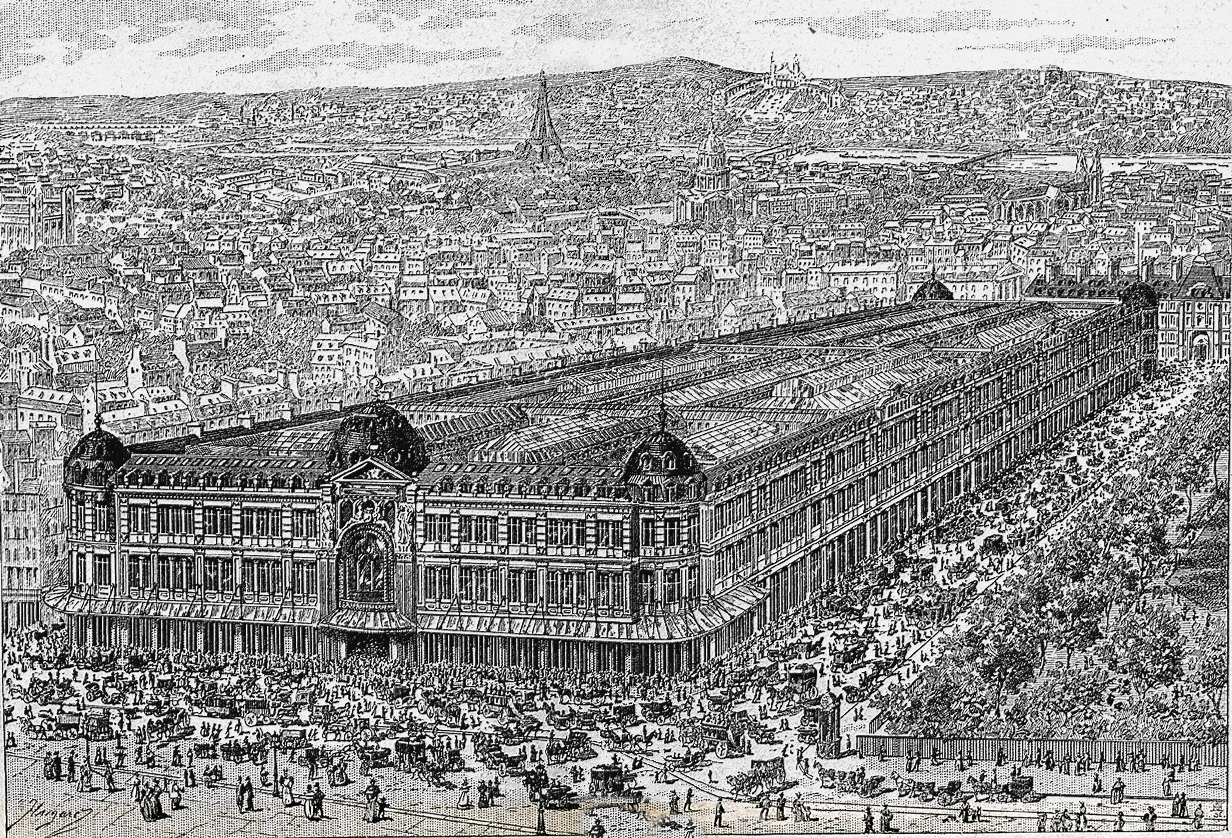
This chapter encompasses societal transformations that have occurred since approximately 1500. The discussion is organized into subchapters on modern thought, the rise of capitalist economic systems, the development of liberal political institutions, social transformations, and cultural developments. These changes have significantly altered human life and continue today. Four worldviews—traditional, progressive, globalized, and transformative—emerged from the Modern Wave
-
3. An Indigenous Worldview
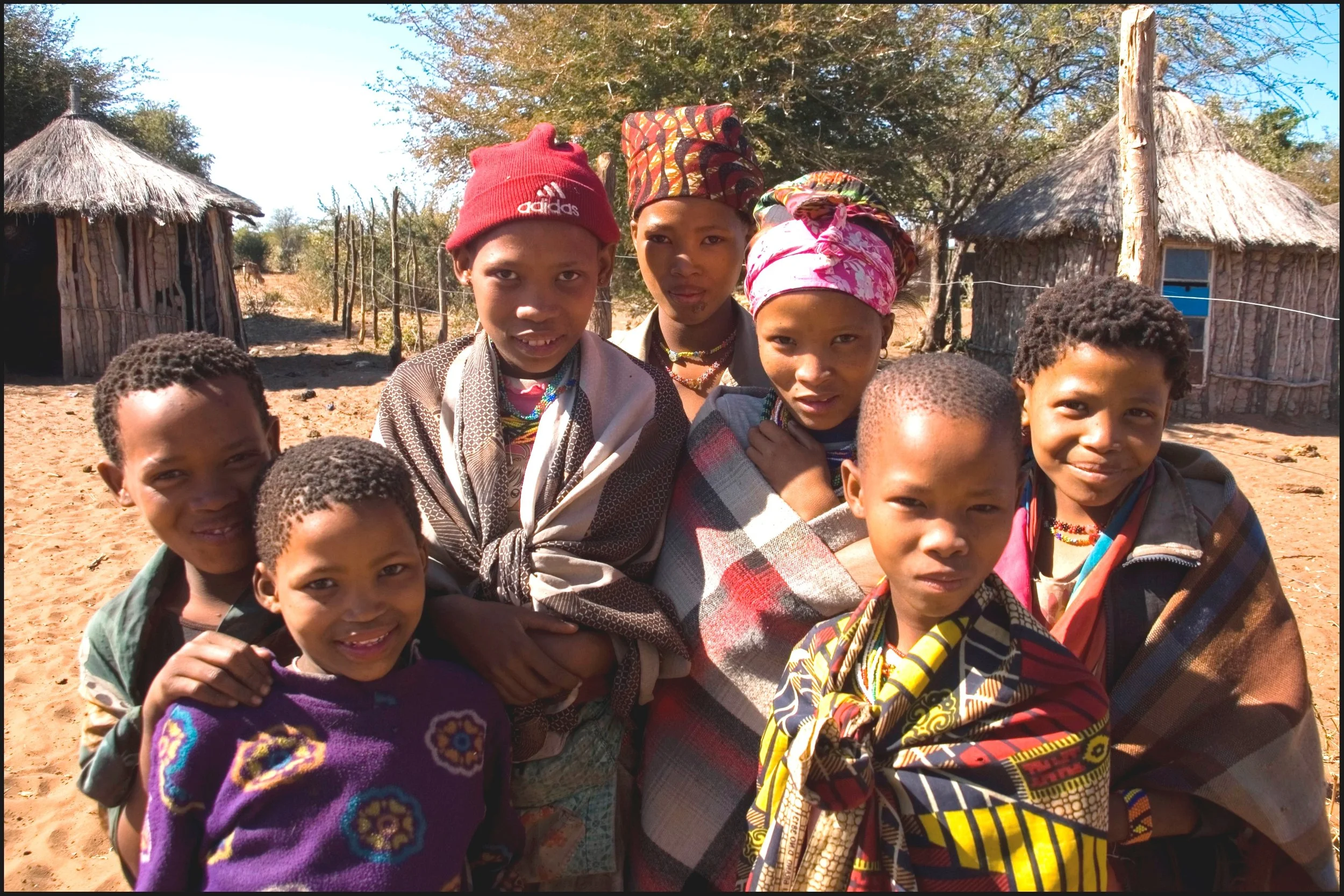
This worldview encompasses indigenous peoples—ethnic groups sharing a common identity and residing in a geographic region with which they have the earliest known historical connection. These groups are often politically underrepresented and maintain an ethnic identity distinct from the dominant nation. This chapter explores the economic, social, religious, political, psychological, and environmental differences between indigenous and modern worldviews. It concludes with the story of Rigoberta Menchú, an indigenous woman in Guatemala
-
4. A Traditional Worldview
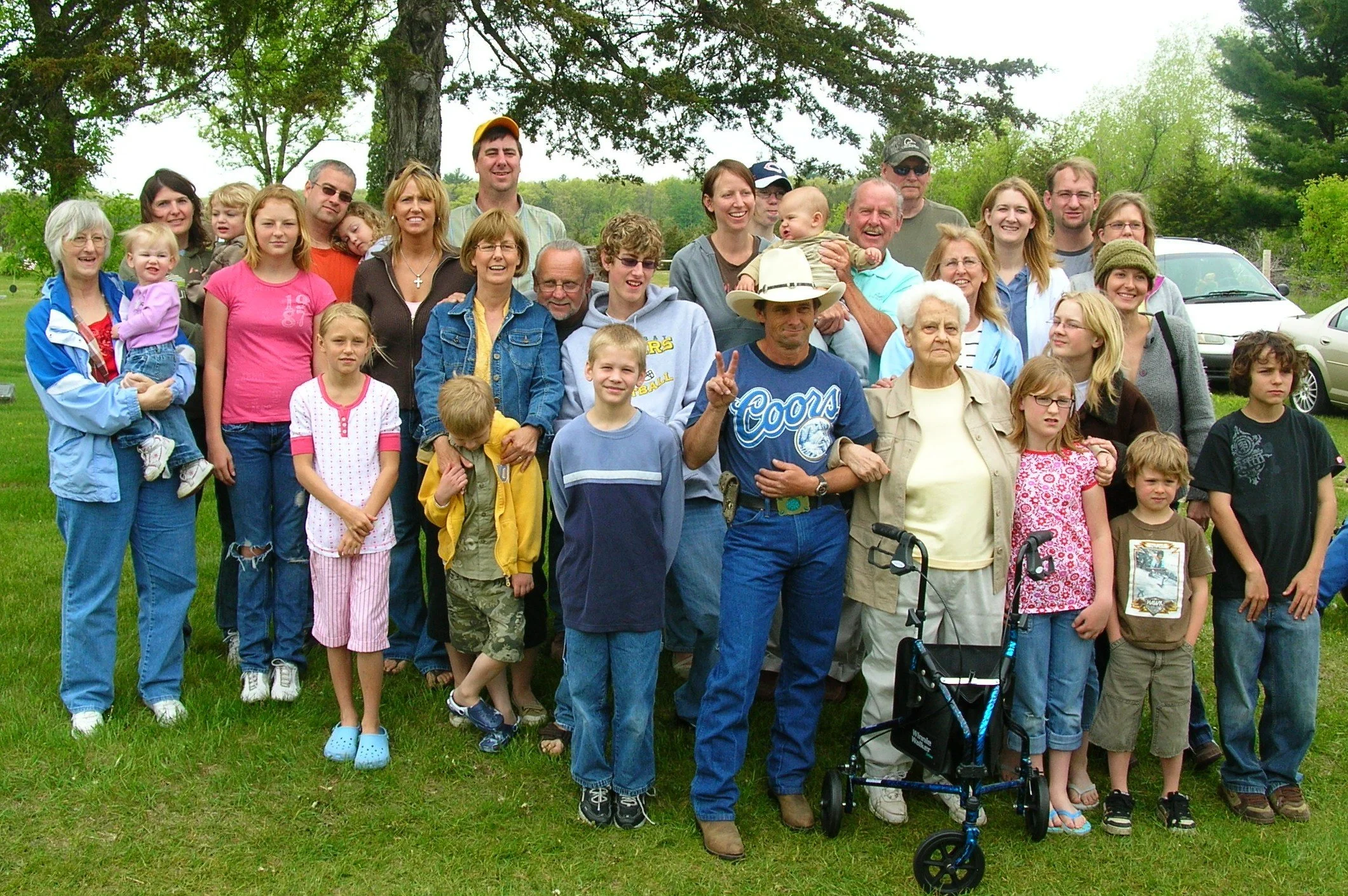
Political conservatives, the populist right, the alt-right, and religious fundamentalists all share elements of a traditional worldview. A traditionalist is someone who supports established societal customs and beliefs, preferring continuity over rapid change and embracing only incremental adjustments when necessary. While progressives advocate for transformation, traditionalists emphasize continuity. This worldview may encompass seemingly disparate ideas, but these groups often converge during elections to support candidates who reflect different facets of traditionalist thought.
-
5. A Progressive Worldview
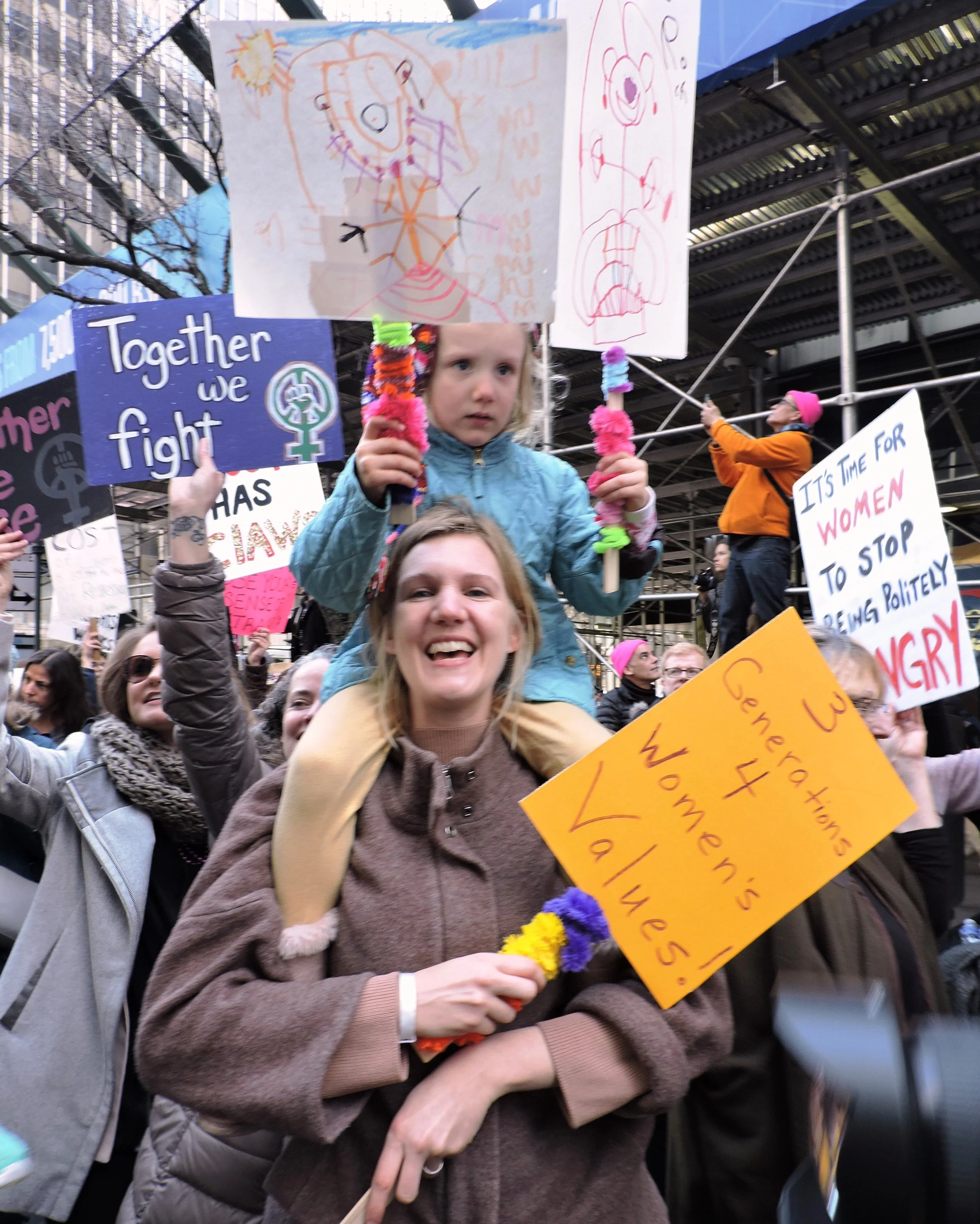
The liberal and progressive left is composed of diverse groups and interests. Progressivism, rooted in the idea of progress, rests on a foundational belief in human perfectibility. To achieve this, progressives argue that the constraints of religion, family hierarchies, and tradition must be cast aside so individuals can realize their full potential. Moderate liberals tend to favor institutional reform, while those on the far left may advocate for political revolution, seeking to dismantle liberalism itself and reconstruct society according to their ideal vision.
-
6. A Globalized Worldview
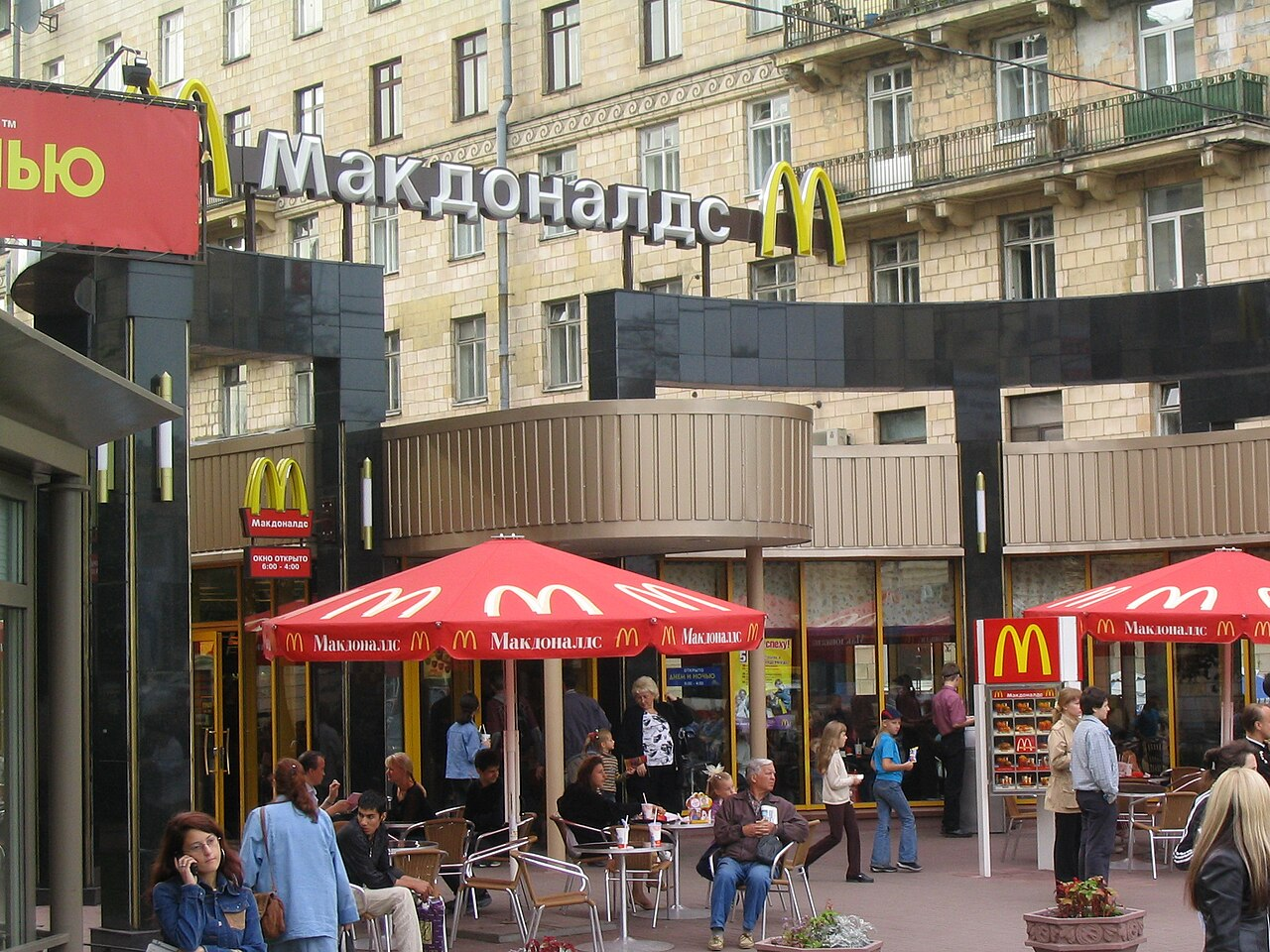
This worldview has profoundly reshaped how people across the globe work, play, interact, and live their daily lives. Globalization is a multifaceted phenomenon that intertwines economic, political, cultural, social, environmental, and technological forces while transcending national boundaries. Often described as the compression of space and time, globalization has transformed the world into a deeply interconnected arena that serves as a shared frame of reference, shaping the experiences and everyday lives of billions of people worldwide.
-
7. A Transformative Worldview
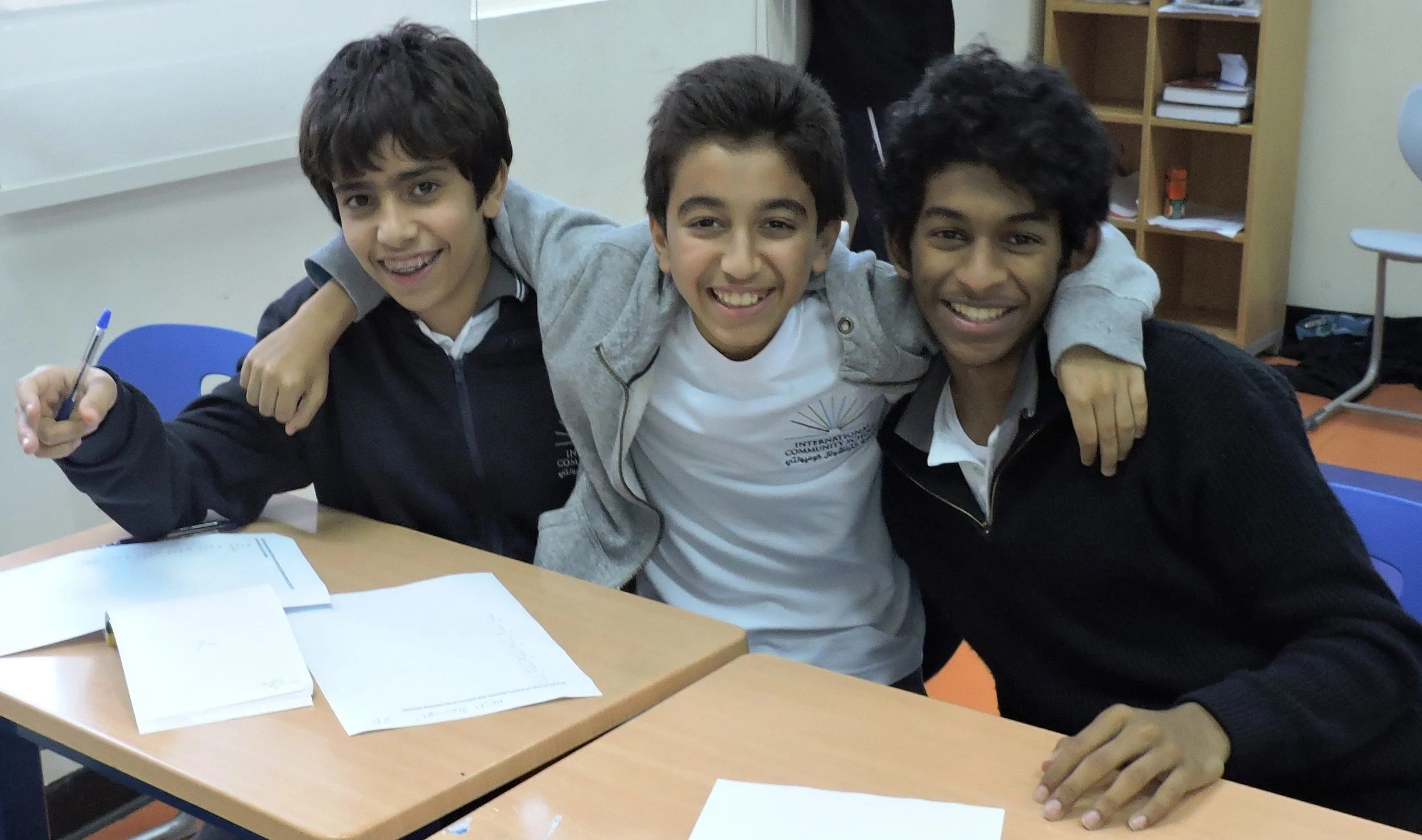
At this moment, millions of people across the globe—transformers—are actively advocating for a new worldview. They argue that humanity needs a different narrative to ensure the survival of our species and the preservation of life on Earth. Although transformers represent a diverse range of perspectives, beliefs, theories, lifestyles, and practices that resist rigid categorization, they share core principles centered on interdependence, sustainability, and community. Their values often emphasize alternative health practices, nourishing foods, renewable energy, spiritual connection, ceremonial traditions, and other approaches that promote a more balanced way of life.
-
8. Bridging the Five Worldviews
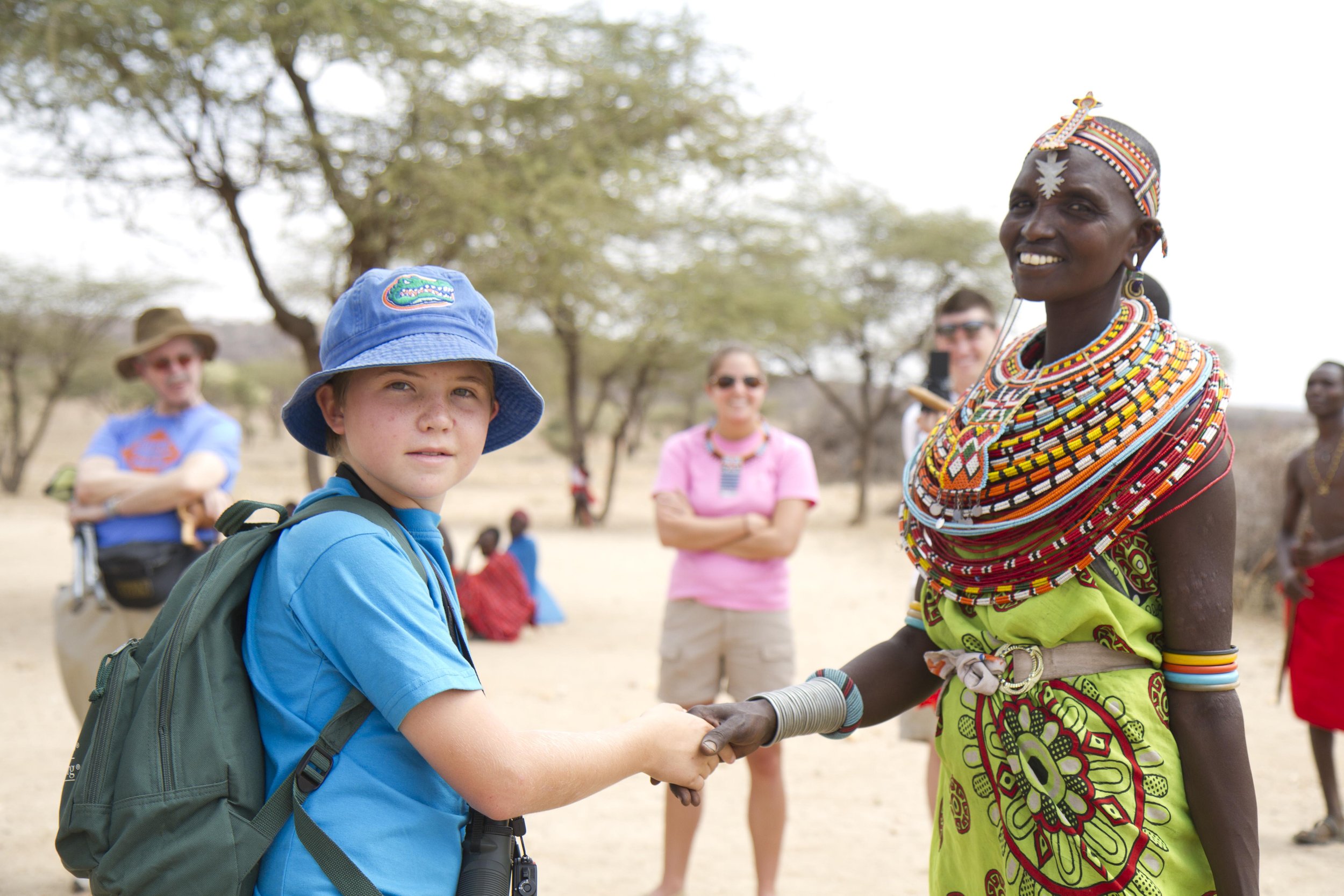
The final chapter examines the bound assumptions underlying each of the five worldviews—suppositions accepted as true without proof. The author then offers 10 Thoughts for bridging divides and 15 Practical Tips to foster understanding. Dr. Ames concludes by advocating for a transformative worldview, which she believes embodies the most constructive values and intentions, aiming to secure a future grounded in sustainability and the well-being of both individuals and the global community.
Five Worldviews:
The Way We See the World, 1st. Ed.
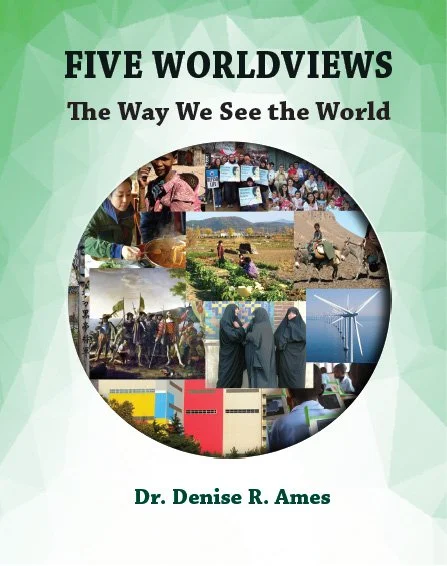
Gain a clearer picture of today’s ever-changing events sorted through the lens of five distinct worldviews: indigenous, modern, fundamentalist, globalized, and transformative. Which worldview do you feel aligns most closely with your perspective?.
Non-profit price $9.95
130 pgs.
Illustrated, index, glossary, source notes, bibliography, pictures, graphs, charts.
Discover Five Diverse Perspectives....
Do you ever wonder whether human beings will ever learn to truly get along? Worldviews are among the lenses through which we perceive and make sense of reality. Recognizing these five worldviews—Indigenous, Modern, Fundamentalist, Globalized, and Transformative—can help us better understand others’ perspectives without feeling the need to change them.
We cannot sustain a vibrant democracy if we remain in bubbles, surrounded only by people who share our values and beliefs. To navigate an increasingly diverse world, we need the skills to understand those whose experiences—and even whose zip codes—differ from our own. With greater awareness, we may stop expecting others to adopt our worldview and instead discover that we can engage across differences with curiosity, openness, and respect.
By learning about these five worldviews, we can strengthen communication and relationships with people who are both similar to and different from us, uncover shared values, and help bridge cultural and social divides.
Table of Contents
Introduction to Five Worldviews
The Indigenous Worldview
The Modern Worldview
The Fundamentalist Worldview
The Globalized Worldview
The Transformative Worldview
Afterword: The Populist Worldview