

Waves of Global Change:
An Educators Handbook for Teaching a Holistic World History
by Dr. Denise R. Ames
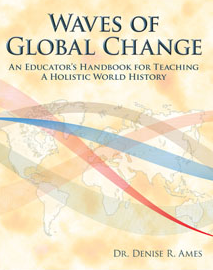
Veteran educator Dr. Denise R. Ames wrote this handbook specifically for pre-service teachers and educators from kindergarten through university to distinguish this holistic approach to world history from traditional methods of teaching the subject.
Illustrated, index, glossary, source notes, and bibliography.
This book is for veteran educators and pre-service teachers/instructors.
Each chapter includes “Questions to Consider,” spurring critical thinking and “seeing” the information differently.
Organized into eight chapters, the book is chock full of activities, suggestions, pictures, and graphic organizers to heighten understanding!
158 pgs., $14.95
The purpose of this book is to help educators conceptualize and teach world history in a more holistic way by applying a systems approach, adopting a global perspective, and examining historical patterns. By presenting the principles of the holistic world history model in a form suitable for direct classroom application, the book serves as a valuable resource for understanding the model and integrating its components into a thought-provoking and challenging world history curriculum.
Chapter Descriptions: Waves of Global Change: An Educator’s Handbook for Teaching a Holistic World History
-

1. An Introduction to a Holistic Teaching Model for Educators
… introduces the core principles of the holistic approach employed in this world history course.
-
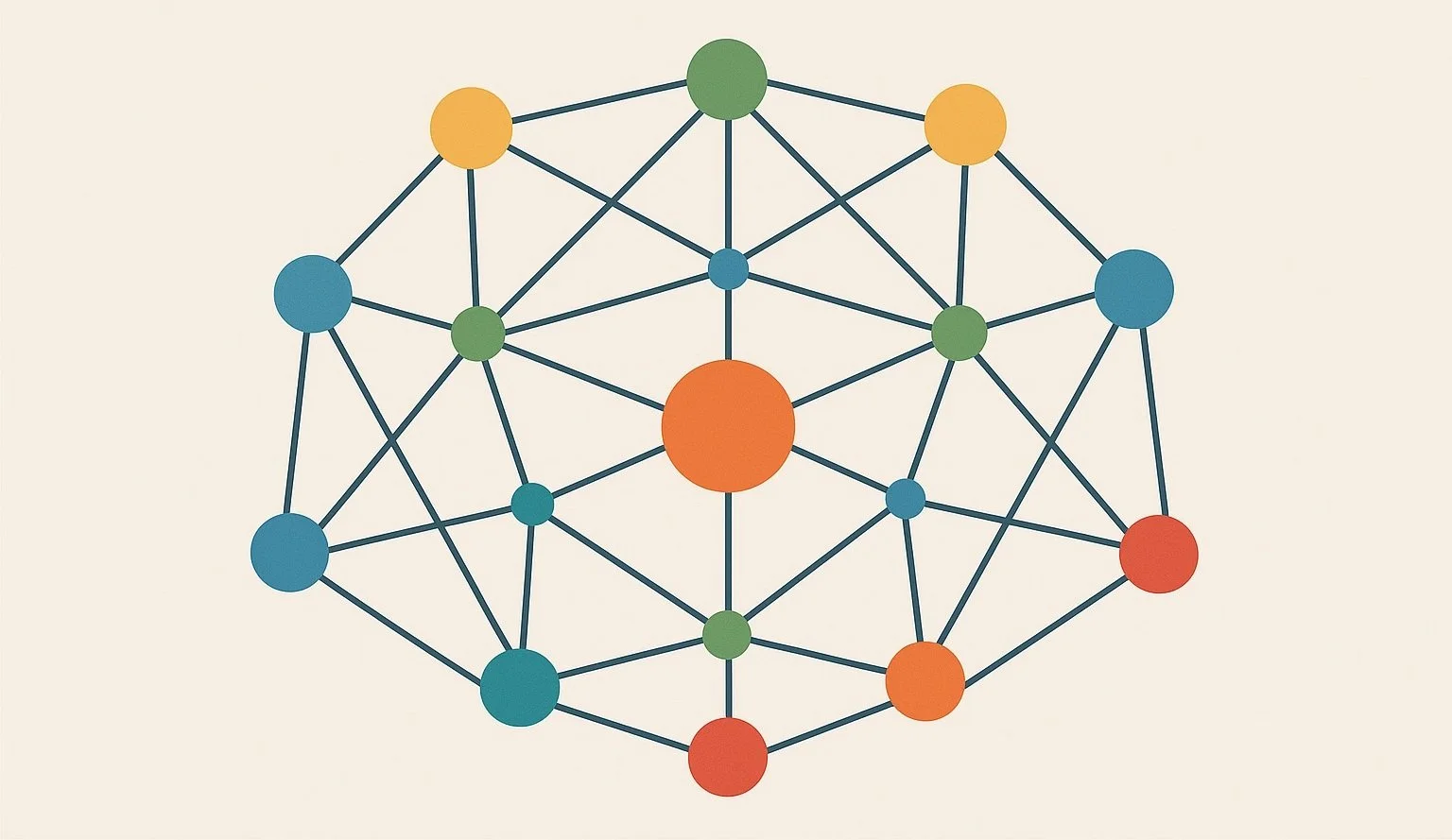
2. Systems Thinking: An Approach to Understanding a Holistic World History
… explains the principles of systems thinking and offers practical suggestions for applying them to the study of world history.
-
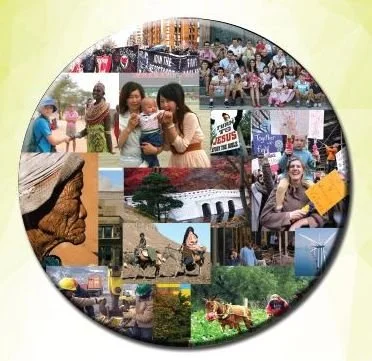
3. Worldviews: The Way We Look at the World
… examines five worldviews—indigenous, modern, fundamentalist, globalized, and transformative—that shape contemporary perspectives and ways of thinking. -

4. Waves of Global Change: A Holistic World History Model
… outlines the structure of this holistic framework, detailing its five waves, five comparative currents, and twenty-five sub-currents.
-
5. 20 Advantages of a Holistic World History Model
… lists and explains twenty key advantages of the model, providing illustrative examples for each.
-
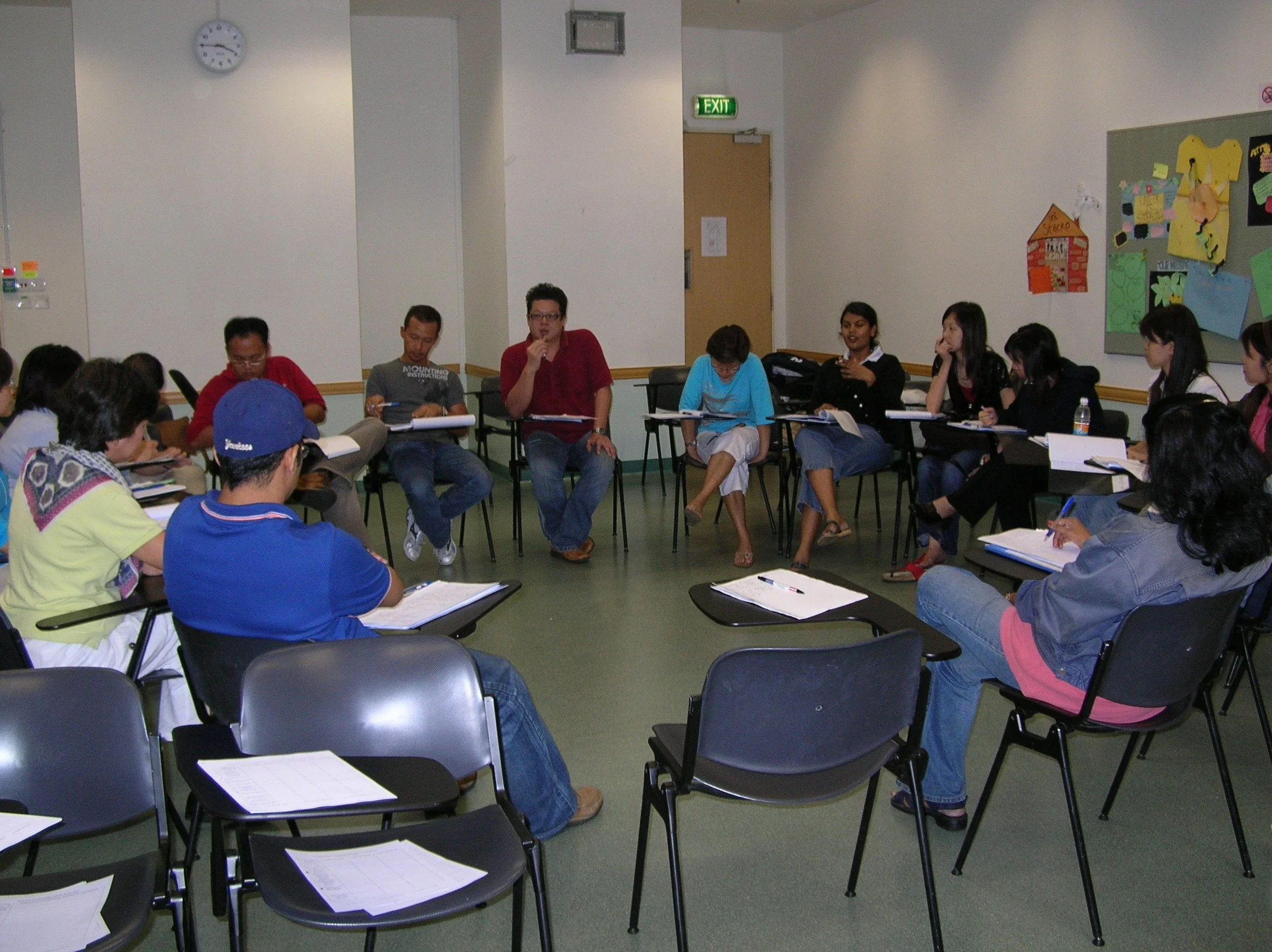
6. Circle of Learning
… illustrates an approach to teaching world history that integrates six skill levels: remember, understand, apply, analyze, evaluate, and create. -
7. World History Teaching Tools and Strategies
… presents fourteen practical suggestions, along with examples, for bringing this holistic approach to world history to life in the classroom.
-
8. Strengths and Weaknesses of this Holistic World History Model
… provides a final assessment for this holistic teaching approach.